
Why Legumes Deserve a Place on Your Plate
I'll admit it. An article about legumes probably doesn't sound particularly exciting.
But before you click away, hear me out.
These humble little seeds are affordable, versatile, nutrient-dense and continue to attract notable attention from researchers interested in metabolic health, gut microbiome diversity, healthy ageing, chronic disease prevention and planetary health.
In fact, I don't think one article is enough to do them justice.
When we consider their combination of fibre, protein, affordability, versatility and the growing body of research supporting their role in human health, legumes make a strong case for being one of the healthiest foods we can eat.
To highlight just how much interest there is in this area, I've focused primarily on research published in 2025 and 2026. Even limiting the discussion to the last couple of years leaves us with a substantial body of evidence exploring their potential benefits for metabolic health, cholesterol, blood sugar regulation and the gut microbiome.
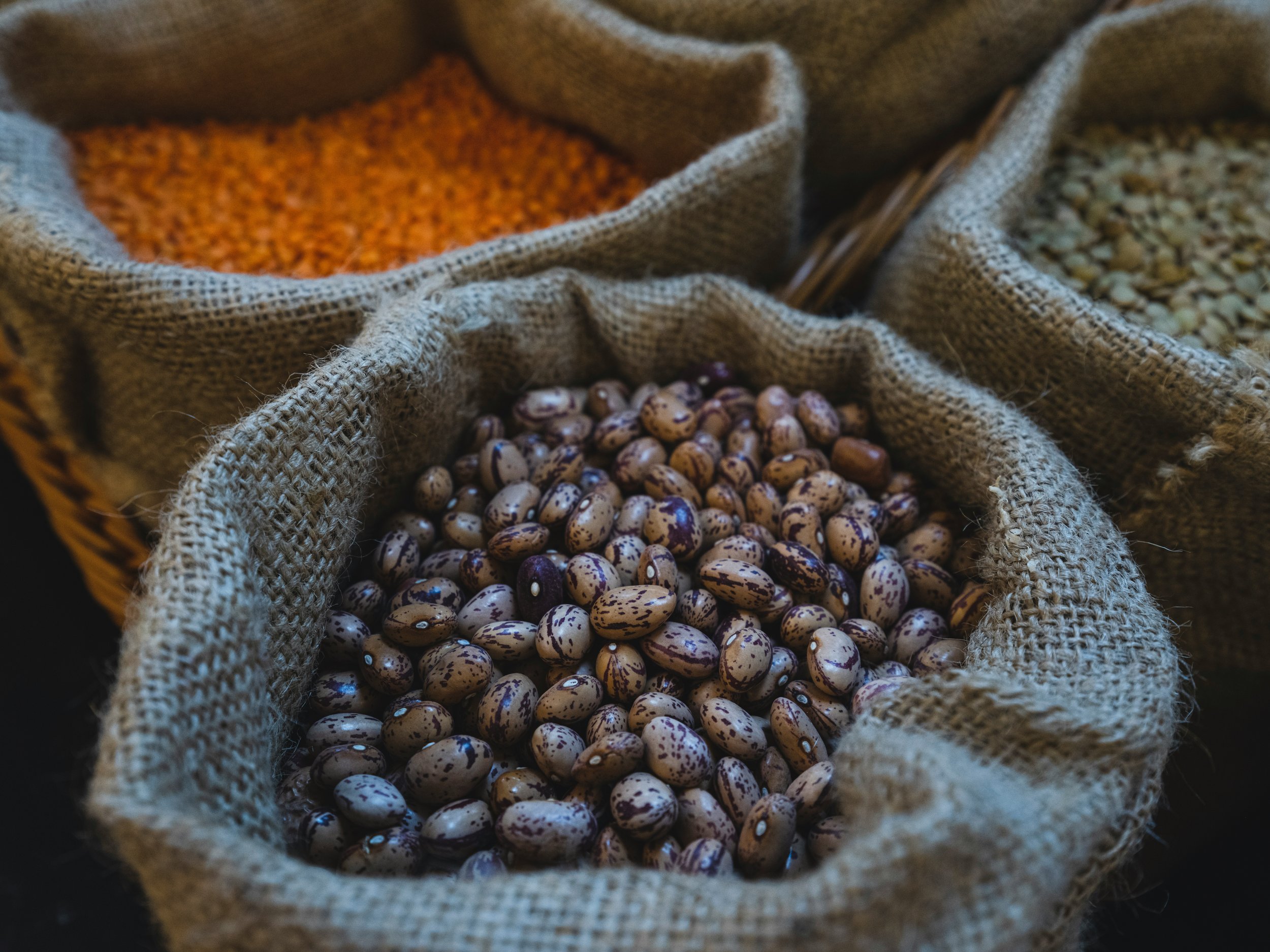
What Makes Legumes So Unique?
Legumes occupy a rather unique place in the nutrition world.
Unlike many foods, they provide a combination of fibre, protein, slowly digested carbohydrates, vitamins, minerals and a range of beneficial plant compounds all in one package.
Compared with many staple carbohydrate rich foods, legumes tend to provide substantially more protein and fibre while producing a lower glycaemic response. This combination can help support satiety, blood sugar regulation and overall metabolic health.
They're also a valuable source of galacto-oligosaccharides (GOS) and resistant starch, both of which have well-established prebiotic effects and may help support populations of beneficial gut microbes, including Bifidobacterium and butyrate-producing bacteria. Resistant starch escapes digestion in the small intestine and reaches the large intestine, where it is fermented by gut microbes into beneficial short-chain fatty acids, including butyrate.
Whether you're focused on gut health, metabolic health, healthy ageing, cholesterol management or simply getting more nutritional value from your food budget, legumes have a lot going for them.
What Recent Research Suggests
Current research continues to support what many traditional dietary patterns have recognised for generations.
A 2025 randomised controlled trial in people with prediabetes found that a legume-enriched dietary pattern led to greater improvements in HbA1c, LDL cholesterol and total cholesterol compared with calorie restriction alone. Researchers also observed beneficial changes in gut microbial composition and function.
Recent reviews have similarly highlighted associations between legume consumption and improvements in glycaemic control, cardiometabolic health, microbial diversity and the abundance of potentially beneficial bacteria including Bifidobacterium, Faecalibacterium and Akkermansia. While researchers are still teasing apart exactly how much of these benefits are driven by microbiome changes, the overall direction of the evidence is encouraging.
Emerging research is also suggesting that plant-forward dietary patterns rich in foods such as legumes, nuts, fruits, vegetables and whole grains may be particularly helpful during the menopausal transition, where changes in body composition, insulin sensitivity and cardiometabolic risk become increasingly important.
But Legumes Make Me So Bloated...
Let's talk about the (gassy) elephant in the room. If you've ever thought:
"I can’t eat legumes, the last time I ate beans or lentils I felt so bloated and gassy, they don’t agree with me.”
You're certainly not alone.
One of the most common scenarios I see clinically is someone who rarely eats legumes, then has a large serve while eating out, experiences significant bloating and wind afterwards, and concludes that legumes simply don't agree with them.
Sometimes the serve size was far larger than their gut was accustomed to. Sometimes the legumes weren't cooked particularly well, or perhaps they were paired with rich fatty meat and sauces which amplified their effects. And sometimes their gut microbes simply haven't had enough practice dealing with them.
The result? A memorable amount of wind and discomfort and a strong desire not to repeat the experience.
The good news is that for many people, re-introducing legumes back into their diet with a more structured low, slow & regular approach initially may significantly improve their tolerance and enjoyment of legumes.
However, if you're dealing with ongoing digestive issues, significant bloating, abdominal distension, IBS, SIBO, IMO, or feel like many foods trigger symptoms, then regular, larger serves of legumes may genuinely be difficult to tolerate right now.
Some people in this situation can still tolerate smaller, infrequent serves, while others seem to react regardless of portion size.
This usually doesn't mean you can never eat legumes again.
It often means that your gut needs some support before larger serves become comfortable and enjoyable.
If this sounds like you, you may find my article on Why Are You Always Bloated? Is It Really IBS?helpful.
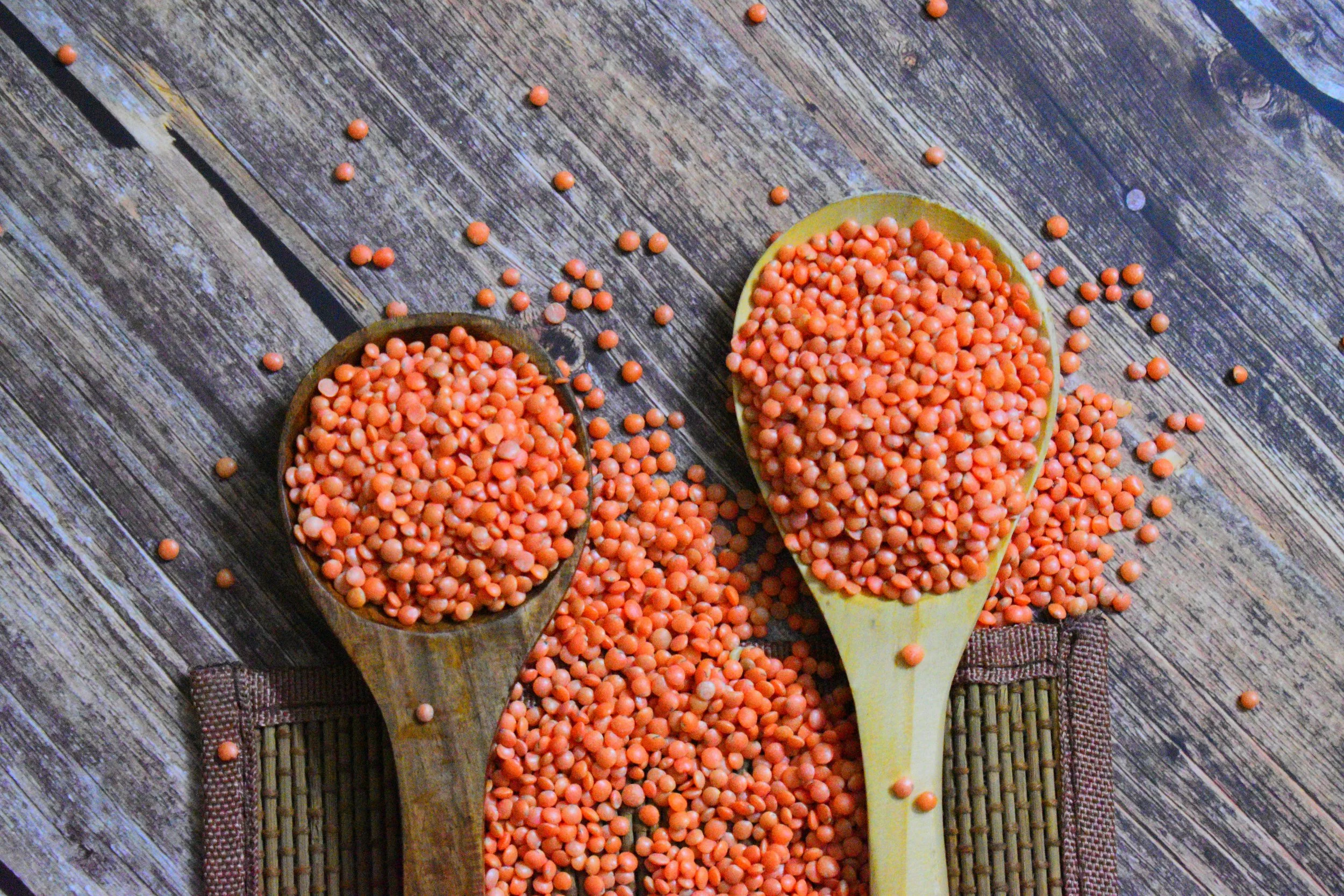
Building Your Legume Tolerance
For many people, the answer is surprisingly simple.
Start small and be consistent.
One tablespoon of lentils, chickpeas or beans added to a meal four or five times per week can be a perfectly reasonable place to start. If tolerated, gradually increase the amount over time.
The aim is to give your gut and your gut microbes an opportunity to adapt.
Think of legume tolerance as a skill. Like many skills, it tends to improve with practice and can diminish if abandoned completely. Aim to make legumes a regular part of your diet whilst working up to increased amounts overtime to maintain your tolerance. It is actually quite normal to be a little or even a lot windy after a big serve of legumes due to their high fibre and fermentation potential, the good news here is that reserach supports the notion the regular consumption often reduces the flatulence factor over time for many people.
You don’t need to dramatically change your recipe repertoire to include legumes in your diet as they can be easily incorporated into many of your favourite recipes and regular meals.
Add them to a salad, roast veggies, into a soup, or combined with olive oil, herbs and lemon juice can be enough to start building the habit.
That being said, there are a plethora of fantastic legume focussed recipes out there, so I do encourage you to experiment with some new ideas!
The Legume Toolkit
Soak dried legumes
For chickpeas, kidney beans, cannellini beans and most dried legumes including lentils, soaking before cooking is recommended.
Many traditional preparation methods recommend overnight soaking, while some researchers suggest closer to 12–16 hours may further improve digestibility and reduce certain antinutrients. After soaking, discard the soaking water and rinse thoroughly before cooking.
Cook them properly
Undercooked legumes are nobody's friend. In fact, undercooked kidney beans can be downright toxic due to their naturally occurring phytohaemagglutinin content. Fortunately, the solution is simple: always cook legumes thoroughly—especially kidney beans.
After soaking, draining, rinsing & adding to fresh water, bring them to a rolling boil before reducing to a gentle simmer until tender. They should be soft throughout without being mushy or falling apart.
Consider an electric pressure cooker
If do you become a legume enthusiast, an electric pressure cooker can be a fantastic investment. It can dramatically reduce cooking times and make preparing beans and chickpeas far more practical on a busy schedule. Lentils are quite fast to cook on the stovetop especially once soaked, so save the pressure cooker for the larger beans and chickpeas.
Freeze portions for later
One of my favourite tricks is freezing cooked legumes in many small containers. This makes it quick & easy to defrost only what you need for a salad, soup, vegetable dish or quick meal.
And yes, tinned legumes absolutely count!
While cooking your own legumes can be economical and satisfying, I'm also a realist.
Life is busy. Not everyone’s priority in life is likely to be regular soaking & cooking of big batches of legumes at home on the weekend!
If the choice is between eating BPA-free tinned organic legumes or not eating legumes at all, I'll happily take & recommend the tinned legumes.
They remain one of the simplest and most convenient ways to increase fibre, protein and plant diversity in the diet. Simply drain and rinse them well before use.
A Traditional Tip Worth Borrowing
Many traditional cuisines pair legumes with herbs and spices such as cumin, coriander, fennel, ginger, turmeric and asafoetida.
Whether it's a dhal, lentil soup or bean-based stew, these combinations have been used for generations. These traditional culinary approaches with herbs and spices may improve both flavour and digestibility.
What About Soy?
One VERY notable mention in this article is soy foods.
While soy belongs to the legume family, the research surrounding the potential health benefits of soy foods & soy isoflavones deserves an article of its own. From gut microbiome health and cardiometabolic health through to perimenopause and menopause support, the evidence is extensive and fascinating.
And yes, if you're wondering... I'm a big fan of traditional soy foods and recommend them often, both therapeutically and as part of a healthy everyday diet (although, as always, individual circumstances matter). There's simply far too much good research to squeeze into this article.
Stay tuned for an upcoming article where I'll take a much deeper dive into the research on high-quality soy foods and their potential health benefits.
The Bottom Line
Legumes aren't glamorous.
They probably never will be.
But they are affordable, versatile, nutrient-dense, microbiome-friendly and backed by an increasingly impressive body of research.
If you've written them off because of a bad experience in the past, it may be worth giving them another chance.
Start small, stay consistent, and let your gut microbes do what they do best. Over time, you may be surprised by just how much these humble little foods have to offer.
I find nutrition research endlessly fascinating, particularly when it challenges long-held assumptions or highlights foods that deserve a little more attention. But research is only part of the story. My goal is to help people turn that evidence into practical, enjoyable and sustainable dietary changes that support their long-term health.
If you'd like personalised support navigating the often-confusing world of nutrition, and how to shape your dietary approach for your wellbeing, I'd be delighted to help. You can learn more about my consultations or book an appointment.
References:
Hossain MA, et al. (2026). Legume Intake on Gut Microbiome and Glycemia in Type 2 Diabetes Management. Frontiers in Nutrition.
Hossain MA, et al. (2024). Legume Intakes on Cardiometabolic Profile and Gut Microbiome Function. European Journal of Nutrition.
Langmann F, et al. (2025). Plant-Based Diets, Legumes, and Cardiometabolic Risk Factors. European Journal of Nutrition.
Özdemir A, & Buyuktuncer Z. (2025). Dietary Legumes and Gut Microbiome: A Comprehensive Review. Critical Reviews in Food Science and Nutrition.
Wu X, et al. (2025). A Legume-Enriched Diet Improves Metabolic Health in Prediabetes. Nature Communications.
Xia T, et al. (2026). Optimal Dietary Patterns for Lower Weight Gain and Obesity Risk Surrounding Menopause. JAMA Network Open.